As the events industry looks ahead to 2026, production is becoming more considered, more strategic and more experience-driven than ever before. After several years of rapid change, the focus is shifting away from reactive decision-making and towards purposeful design, smarter technology use and long-term value.
Across corporate, public and live events, organisers are asking better questions — not just what looks impressive, but what works, what resonates and what delivers impact.
Here are the key event production trends shaping 2026.
1. Event Production as a Strategic Investment
Events are no longer viewed as one-off moments or discretionary spend. In 2026, production is increasingly aligned with broader business, brand and engagement objectives.
Organisations are placing greater emphasis on:
- Audience experience and retention
- Brand consistency across live environments
- Measurable outcomes beyond attendance
This shift is influencing how events are designed, produced and evaluated, with production partners expected to contribute insight, not just execution.
2. Technology with Purpose, Not for Show
The appetite for technology remains strong, but expectations have changed. In 2026, successful events are using technology selectively and intentionally.
Rather than layering tech for novelty, production teams are focusing on:
- Clear, high-quality visuals
- Reliable audio delivery
- Technology that enhances flow and engagement
Tools such as AI-assisted content creation, intelligent playback systems and data-led post-event analysis are becoming part of the production toolkit – but always with human oversight and creative direction.
3. Visual Scale and LED as a Standard, Not a Luxury
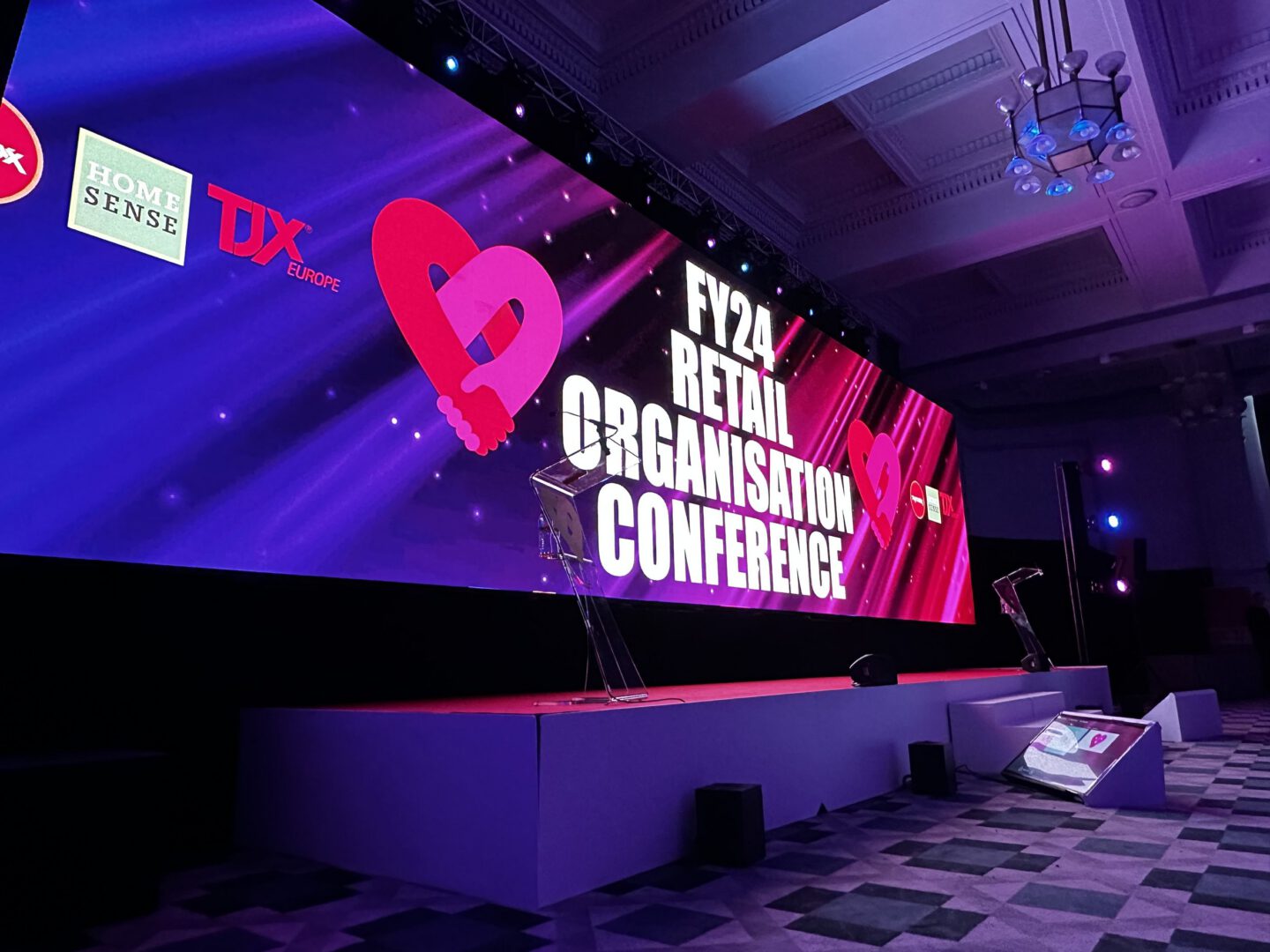
Large-format visuals are now a baseline expectation for many events. LED video walls, in particular, have become central to stage design across awards ceremonies, conferences and brand activations.
In 2026, the trend is towards:
- Seamless, high-resolution LED backdrops
- Content-led stage environments
- Flexible screen configurations that adapt to venue and format
As LED technology continues to improve in brightness and colour accuracy, video is increasingly shaping the entire look and feel of live events.
4. Experience-Led Design Takes Priority
Audiences are more selective about the events they attend, and expectations are higher. Production is playing a key role in delivering environments that feel engaging, comfortable and purposeful.
Design trends for 2026 include:
- Shorter sessions with stronger visual support
- More space for interaction and networking
- Production that supports atmosphere as much as information
The emphasis is shifting from spectacle alone to experiences that feel well considered and human-focused.
5. Budget Awareness Driving Smarter Production Choices
Economic pressures continue to influence event planning, but this is encouraging more thoughtful production decisions rather than limiting creativity.
In 2026, production teams are:
- Designing flexible setups that scale efficiently
- Reusing scenic and technical elements creatively
- Prioritising investment in areas with the greatest audience impact
This approach is leading to more refined, well-edited events that feel intentional rather than overproduced.
6. Sustainability Embedded into Production Planning
Sustainability is no longer treated as an add-on. It is increasingly considered during the earliest stages of production planning.
Key areas of focus include:
- Efficient use of equipment and power
- Reduced transportation through local suppliers
- Smarter set and staging choices that minimise waste
Rather than headline gestures, 2026 is about practical, achievable sustainability measures that support both environmental and operational goals.
7. Hybrid Events Used More Selectively
While in-person events continue to dominate, hybrid formats still have a place, particularly where accessibility and global participation are key.
The trend for 2026 is intentional hybrid design:
- Used where it genuinely adds value
- Supported by reliable broadcast-quality production
- Designed separately for in-person and remote audiences
This shift recognises that hybrid events require careful planning and clear purpose as audience’s attention spans are dwindling!
8. Accessibility and Inclusion as Standard Practice
Accessibility is becoming a fundamental part of event production, not a secondary consideration.
Production teams are increasingly accounting for:
- Clear sightlines and audio coverage
- Captioning and visual clarity
- Calm spaces and inclusive design choices
As audiences become more diverse, inclusive production is becoming a marker of quality and professionalism.
Looking Ahead
Event production in 2026 is defined less by trends for their own sake and more by balance, between creativity and clarity, innovation and reliability, scale and intention.
The most successful events will be those delivered by teams who understand that production is not just about technology, but about how people experience space, content and connection.
As expectations continue to evolve, thoughtful, well-executed production will remain central to events that feel relevant, engaging and memorable.
Planning ahead for 2026?
If you’re considering production support for upcoming events, early conversations with an experienced event production partner can help shape stronger, more effective outcomes.
Get in touch to discuss your event requirements.